Sang Lee, DMD

Sinus lift (Augmentation): Minimizing Risks Through Comprehensive 3D Planning

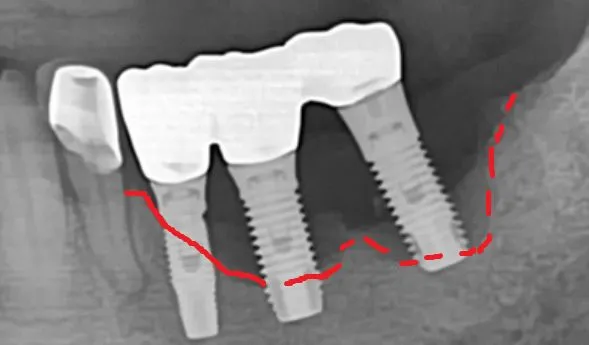
When a patient loses multiple molar teeth, the goal isn’t just to fill the gaps—it’s to restore full chewing function while preserving as much of the natural tooth structure as possible. Recently, a 65-year-old patient visited Finesse Dental & Implant Center with multiple missing molars. Her case perfectly illustrates our approach: combining advanced surgical techniques […]

Sinus lift (Augmentation): Minimizing Risks Through Comprehensive 3D Planning Read More »
Sinus LIFT/Graft Complications: Complications and Prevention

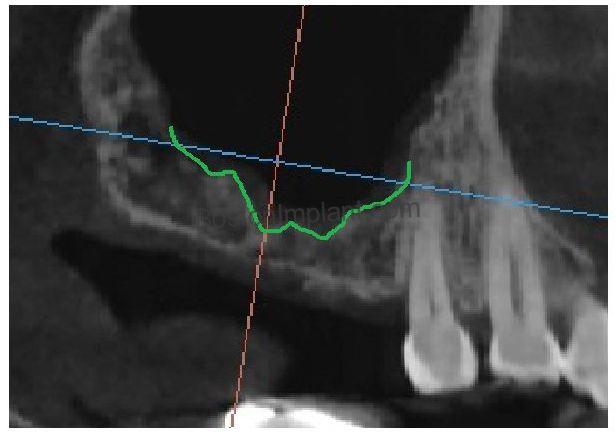
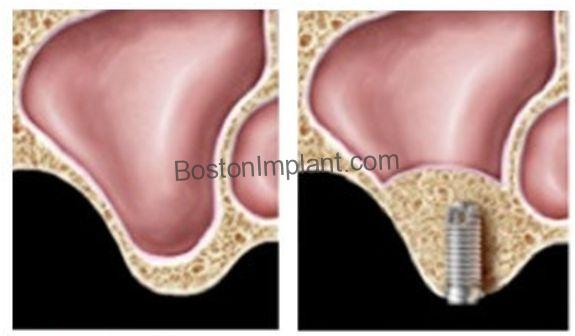
Maxillary Sinus Graft/lift Complications and Prevention If you haven’t yet read about the general information of sinus graft, please check this blog first. For many patients in Boston looking to replace missing back teeth, a sinus lift (also known as sinus graft/augmentation) is the key to a successful dental implant. While this procedure is a

Sinus LIFT/Graft Complications: Complications and Prevention Read More »

[ADA] Ceramic dental implants Success RateADA News Update: Are Ceramic Implants Clinically Predictable?

[ADA] Ceramic dental implants Success RateADA News Update: Are Ceramic Implants Clinically Predictable? At Finesse Dentistry & Implant Center, our primary commitment is to the long-term health and safety of our patients. We closely monitor the latest clinical research to ensure the materials we place in your mouth are backed by high-success data. A recent

[ADA] Ceramic dental implants Success RateADA News Update: Are Ceramic Implants Clinically Predictable? Read More »

Ceramic Dental implants

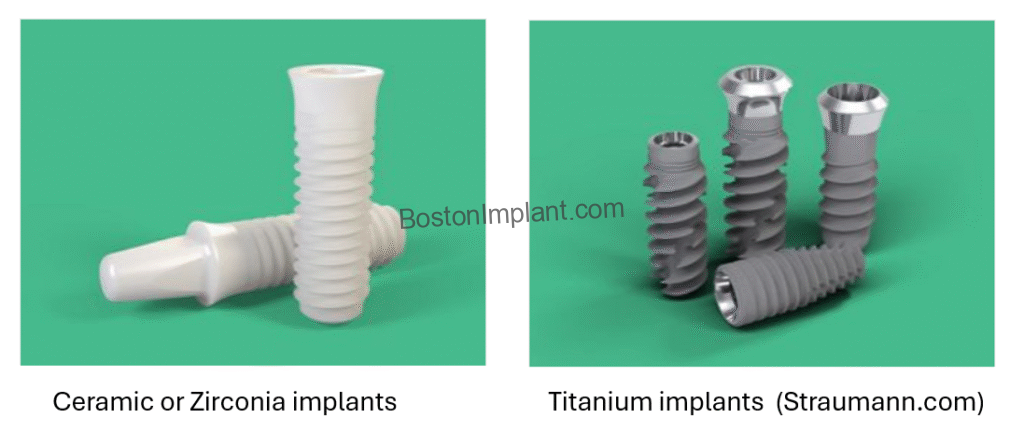
A Dentist’s Guide to Ceramic vs. Titanium Implants Read this before you make a decision. As a dentist, I’m often asked about ceramic dental implants. They are a well-known alternative to traditional titanium implants, typically made from zirconia (zirconium oxide). Their appeal is understandable. Patients are drawn to them for two main reasons: they are

Ceramic Dental implants Read More »

6 key uses for Dental CBCT (Cone Beam Computed Tomography)

In this page, we’ll discuss Cone Beam Computed Tomography (CBCT) Scan. When I was a kid, I enjoyed making animations by flipping pages. Each picture was a static image, but when combined, they created an animation. Similarly, with CBCT, multiple 2-dimensional images are combined to create a 3-dimensional image. This allows us to see details

6 key uses for Dental CBCT (Cone Beam Computed Tomography) Read More »

Tissue level dental implants

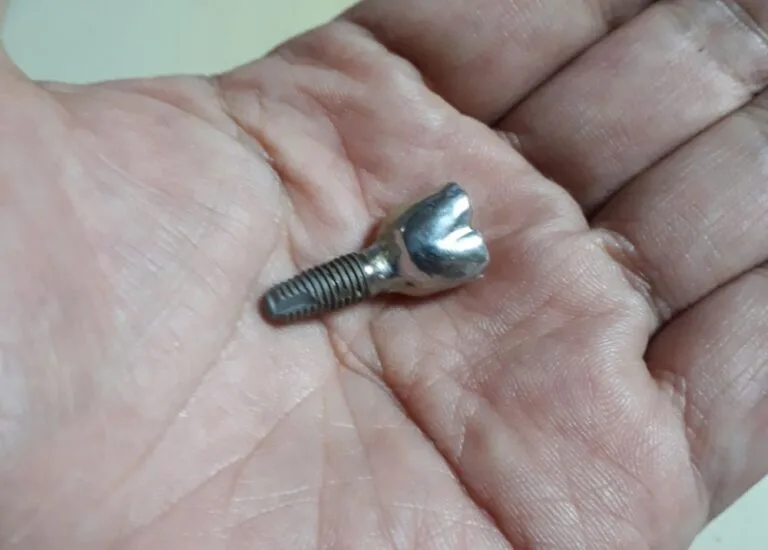
This post will focus on tissue-level dental implants. While bone-level implants have become the mainstream in the implant industry, tissue-level options offer distinct advantages. I will explain my preference for tissue-level implants, detailing the biological and mechanical reasons behind it. As illustrated in the image above, tissue-level implants feature an additional coronal portion that resides

Tissue level dental implants Read More »

Patient Factors Affecting Dental Implant Failure

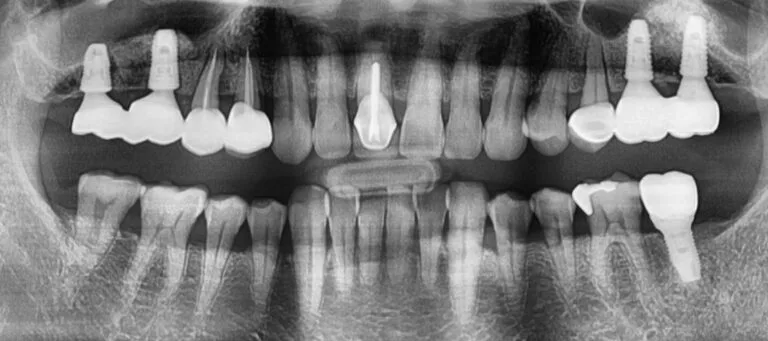
In our previous posts, we discussed various factors influencing dental implant failure. In this post, we will specifically focus on patient-related factors that can affect dental implant failure. (1) Poor Bone Quality and Quantity Many individuals lose their teeth due to periodontitis (gum disease). While some seek gum treatment to save their natural teeth upon

Patient Factors Affecting Dental Implant Failure Read More »

Factors Affecting Dental Implants Failure

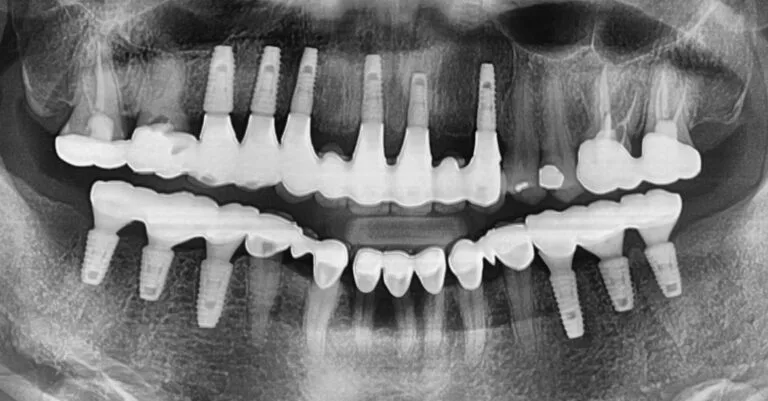
Dental implants have become a popular solution for replacing missing teeth. However, like any medical procedure, they can sometimes fail. In this post, we’ll discuss key factors that can affect dental implant failure. Unfortunately, some dental implants are placed based on guesswork, resulting in suboptimal location, angle, and depth. (1) Misaligned Implants HOW TO FIX

Factors Affecting Dental Implants Failure Read More »

Stories_JHC_06_Final

Addressing Complex Dental Needs: Dental Implants, Sinus Lifts

A 48-year-old gentleman sought relief at our Boston practice from persistent dental discomfort. Ten years prior, the loss of two upper left molars had understandably led him to favor his right side for chewing. This long-term compensatory habit resulted in significant strain and subsequent pain on his upper right side – a common scenario where

Addressing Complex Dental Needs: Dental Implants, Sinus Lifts Read More »